
Is renting or buying in Seattle the smarter move in 2025, especially if you’re thinking long-term (5, 7, or 10 years)?
Quick answer: It depends on how long you plan to stay, how much you pay upfront, and how you value stability versus flexibility but for many people who stay 7–10 years or more, buying often starts to pay off.
What the numbers show today in Seattle
Seattle’s cost of living especially for housing is among the highest in the U.S. According to current data, the median rent across all unit types in the city is about US$ 2,115/month, with one-bedroom apartments at roughly US$ 1,973 and two-bedrooms around US$ 2,463. (Apartment List) Meanwhile, homes remain pricey. Recent reports peg the median sold price in the city and its surroundings generally around US$ 850,000–US$ 900,000, depending on neighborhood and home type. (Realtor)
That gap between high rents and high home-prices puts the “rent vs. buy” decision on a different scale than in more affordable markets. What might seem reasonable in a cheaper city often looks very different in a place like Seattle. Modeling 5-, 7-, and 10-Year Scenarios: Renting vs. Buying
To help you think beyond month-to-month, let’s run a simplified projection using realistic if somewhat conservative assumptions for a median-ish home and typical rental costs. Actual results will vary depending on interest rate, down payment, maintenance, taxes, and neighborhood, but this gives a solid baseline.
Assumptions (baseline)
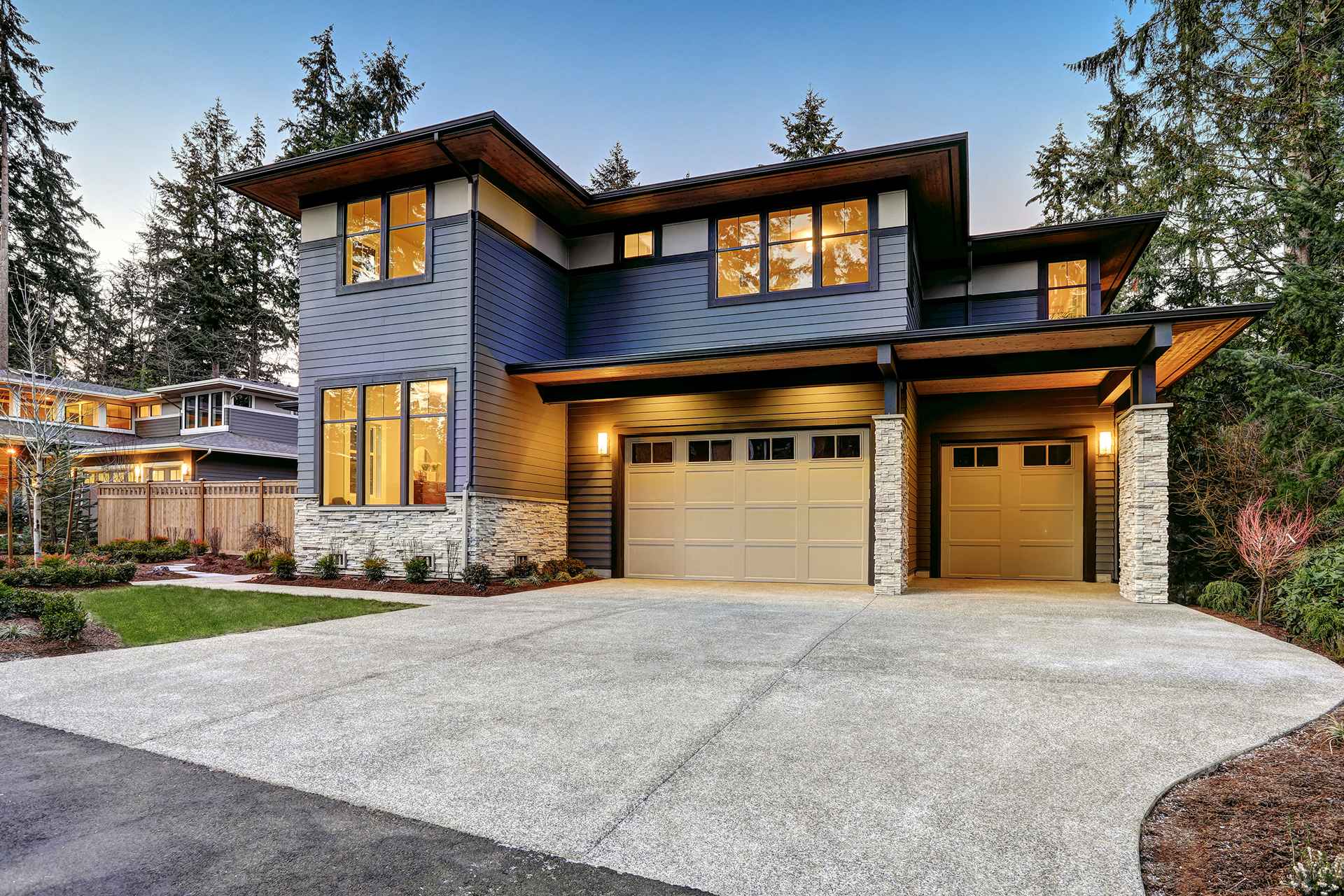
- Home purchase price: US$ 900,000 (near median)
- Down payment: 20% → US$ 180,000
- Owning costs (mortgage + taxes/insurance/maintenance): assume a ballpark US$ 5,500–6,000/month reasonable given Seattle’s high home costs and related expenses. (Many “rent vs buy” calculators for Seattle use similar ranges.) (Simple Finance Calculators)
- Rent scenario: monthly rent of US$ 2,100–2,200 (around recent median by unit mix).
- Growth assumptions over time:
- Rent increases ~ 3% per year (reflecting inflation and market demand)
- Home value appreciates ~ 3% per year (a modest but historically plausible growth rate for a city like Seattle)
What 5 Years Looks Like
If you rent at US$ 2,200/month (adjusted for small annual increases), over five years you’d pay roughly US$ 130,000–140,000 total in rent (not counting utilities, renter’s insurance, etc.). On the other hand, owning with payments of ~US$ 5,500–6,000/month means roughly US$ 330,000–360,000 over five years plus your down payment of US$ 180,000 upfront. That adds up to ~US$ 510,000–540,000 in total cash outlay.
At the 5-year mark, renting clearly looks cheaper in monthly cash flow and total cash spent — but you don’t yet have meaningful equity or the benefit of appreciation.
By Year 7
After seven years, renting might total around US$ 200,000–220,000 (assuming modest annual increases). Buying, however, would mean roughly US$ 460,000–500,000 in payments plus the initial down payment total outlay around US$ 640,000–680,000.
At this point, owning begins to show its long-term potential: you’ve been building equity with every payment, and if home value rose 3% annually, your home could be worth significantly more than you paid potentially making up for the extra cash outlay versus renting.
Over 10 Years
If you rent throughout, with steady increases, total paid might reach US$ 320,000–360,000 (again, plus utilities and other living costs). If you own, you might pay US$ 660,000–720,000 over 10 years (mortgage, taxes/insurance/maintenance) and when factoring in your down payment, total cash outlay could be around US$ 840,000–900,000.
However here’s the key: after 10 years, you own an asset. If the home appreciated at 3% annually, a US$ 900,000 home might be worth ~US$ 1.2 million. That means you may have ~US$ 300,000–400,000 in equity (before selling costs, taxes, etc.) which often makes buying the more financially rewarding path compared to paying rent into oblivion.
When Renting Still Makes Sense (Yes! It Might)
Buying isn’t always the right move. Renting may make more sense if:
You expect to stay in Seattle less than 5–7 years. The math tilts strongly toward rent for shorter stays.
You value flexibility for job changes, relocations, or life changes. Renting gives you mobility with less commitment.
You want to avoid the large upfront cost (down payment, closing costs) and ongoing homeowner responsibilities like maintenance, taxes, and insurance.
Your income or financial cushion is uncertain homeownership in Seattle often requires stable income and buffers for upkeep, tax increases, HOA fees (if condo/townhome), etc.
Renting may also feel safer if you’re not confident interest rates, housing prices, or personal plans will remain favorable for a long-term ownership commitment.
Why Buying Can Still Pay Off, Especially If You Commit Long-Term
For those willing and able to commit, buying offers several advantages over time:
- Equity building every mortgage payment builds ownership, not just expenses.
- Protection from rent increases rents tend to rise over time; mortgage payments (on a fixed-rate loan) stay stable, giving predictability.
- Potential appreciation in a dynamic market like Seattle, real estate has generally held value and grown over time, offering long-term growth potential.
- Forced savings and wealth-building owning a home often works like a long-term savings plan, converting what would be “lost” rent into an asset.
With today’s median home prices in Seattle and rents remaining elevated, the longer you stay and the longer you hold the property, the more likely it is that buying will deliver a strong return compared to renting.
It’s Not Just Numbers, Your Situation Matters
Of course, this math simplifies a complex reality. Real costs can vary depending on:
- Down payment amount
- Interest rate and loan terms
- Property taxes, insurance, HOA fees (if applicable)
- Maintenance, repairs, utilities, and general upkeep
- Neighborhood appreciation and rent growth vary widely across Seattle’s many micro-markets
- Your personal life career plans, family considerations, job stability, flexibility
That’s why it helps to do this calculation not with averages, but with your own numbers: your expected time horizon, income, down payment ability, comfort with responsibilities.
Why Local Expertise Matters: You Don’t Have to Guess Alone
As a real estate broker with the Lucas Pinto Real Estate Group, I’ve worked with many buyers and renters in the Greater Seattle Metro deciding exactly this trade-off. Because Seattle is a high-cost, high-demand market, the differences between renting and buying can be dramatic but also deeply personal.
If you’re serious about making the right decision, it helps to run the numbers for your budget, in your preferred neighborhoods, and with a realistic outlook on rent growth, home appreciation, and how long you expect to stay. I’d be happy to help walk you through that so you can make a decision based on facts, not just feelings.

Final Thoughts
Renting offers flexibility and lower upfront cost and for short stays or uncertain futures, it can make a lot of sense. But if you plan to stay in Seattle for 7–10 years or more, have stable income, and can manage the upfront and ongoing costs, buying often becomes the financially smarter long-term move especially with steady appreciation and equity growth.
If you’d like help comparing renting vs buying for your situation, or want to explore neighborhoods and realistic home-price scenarios, I’m here to walk you through it.
Ready to get started? Let’s run the numbers and see if buying makes sense for you.
Check out this article next