

New Construction Homes in Seattle and the Eastside

Buying new construction looks simpler than buying resale and usually is not. The contract is the builder's, drafted to protect the builder. The agent in the model home is paid by and represents the builder. The upgrade list is where margin lives, the timeline is an estimate rather than a commitment, and the walkthrough is your one structured opportunity to have defects addressed on the builder's cost rather than yours. Buyer representation on a new build is not about finding the home - it is about everything that happens after you choose it.

Book a new construction consultation
Talk to us before you tour

REGISTER YOUR AGENT ON THE FIRST VISIT

This is the single most consequential and least-known rule in new construction. Most builders require buyer agents to be registered at or before the first visit, and many will not recognise representation retroactively. A buyer who tours a model home alone on a Sunday can lose the ability to bring in representation for that community at all. If you are considering new construction, make this call before you visit anything.

REGISTER YOUR AGENT ON THE FIRST VISIT

What Is Actually Negotiable on a Builder Contract

TermTypically negotiable?Why
Base priceRarelyBuilders protect the price on recorded comparables, because a discount sets a precedent affecting every remaining home in the community.
Upgrades and finish creditsOftenMargin is concentrated here, which gives the builder room to move without touching the recorded price.
Closing cost contributionOften, especially with preferred lender useSame logic - it does not alter the headline price.
Lot premiumSometimesMore movement on slower-selling lots late in a phase.
Contract terms and contingenciesOccasionallyBuilder contracts are drafted in the builder's favour, but specific clauses can move - especially where a buyer is represented and asks early.
Completion timelineRarely as a guaranteeUsually an estimate with stated tolerances. Understand the remedy for delay before signing, not after.

Where New-Build Buyers Get Caught

  • Touring alone first and forfeiting representation for that community.
  • Treating the timeline as a commitment and giving notice on a rental against it.
  • Skipping independent inspection because the home is new - new does not mean defect-free, and the pre-drywall stage is a genuine inspection opportunity that closes permanently.
  • Selecting upgrades on emotion in the design centre without checking which ones affect resale and which are purely consumption.
  • Assuming the preferred lender is compulsory when the incentive for using them may be worth less than a better rate elsewhere.
  • Using the final walkthrough as a formality rather than as the structured opportunity to get defects onto the builder's list.

New Construction
Compared to Resale

What to considerNew constructionResale
ConditionNew, under warranty, but not defect-freeKnown condition, inspectable history
NegotiationConcentrated in upgrades and creditsPrice, terms, repairs all in play
TimelineEstimated, subject to changeDefined close date
CustomisationReal, within the builder’s optionsPost-purchase renovation only
LocationWhere land is available — often further outEstablished areas, mature landscaping
ComparablesSet by the builder within the communitySet by the open market

FAQ

Frequently Asked Questions

You are not required to have one, but without one you are unrepresented: the agent in the sales office is paid by and works for the builder. Representation on a new build matters most after you have chosen the home - contract review, upgrade decisions, inspection scheduling, and the walkthrough.

Before your first visit. Most builders require buyer agents to be registered at or before first contact, and many will not recognise representation afterwards. This is the most common and most permanent mistake new-build buyers make.

Usually, though not where buyers expect. Base price is generally protected because it sets a comparable for the rest of the community. Upgrades, finish credits, closing cost contributions, and sometimes lot premiums have real movement - particularly late in a phase.

Yes. New does not mean defect-free, and issues found before closing are the builder's to fix. Where the build stage allows, a pre-drywall inspection is worth arranging - it is the only opportunity to see structural and mechanical work before it is permanently concealed.

Start with a valuation conversation rather than an automated estimate. Automated valuations do not see condition, prep potential, or the competing inventory your home would actually list against - and in a market with sharp price-band separation, those are the variables that move the number most.

Your move starts with a conversation.

Tell us where you are and where you want to be. We’ll help you map the next step.

Book a Kirkland consultation
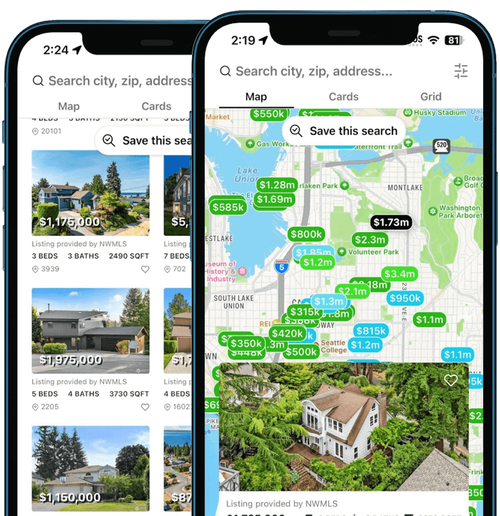
Pinto app 1(1) 1 (1)

Download Our App

Smart real estate, right in your pocket.

Search listings, track market trends, and connect with our team—all in one place. Experience data-driven insights and tools designed to make buying, selling, and investing simple.